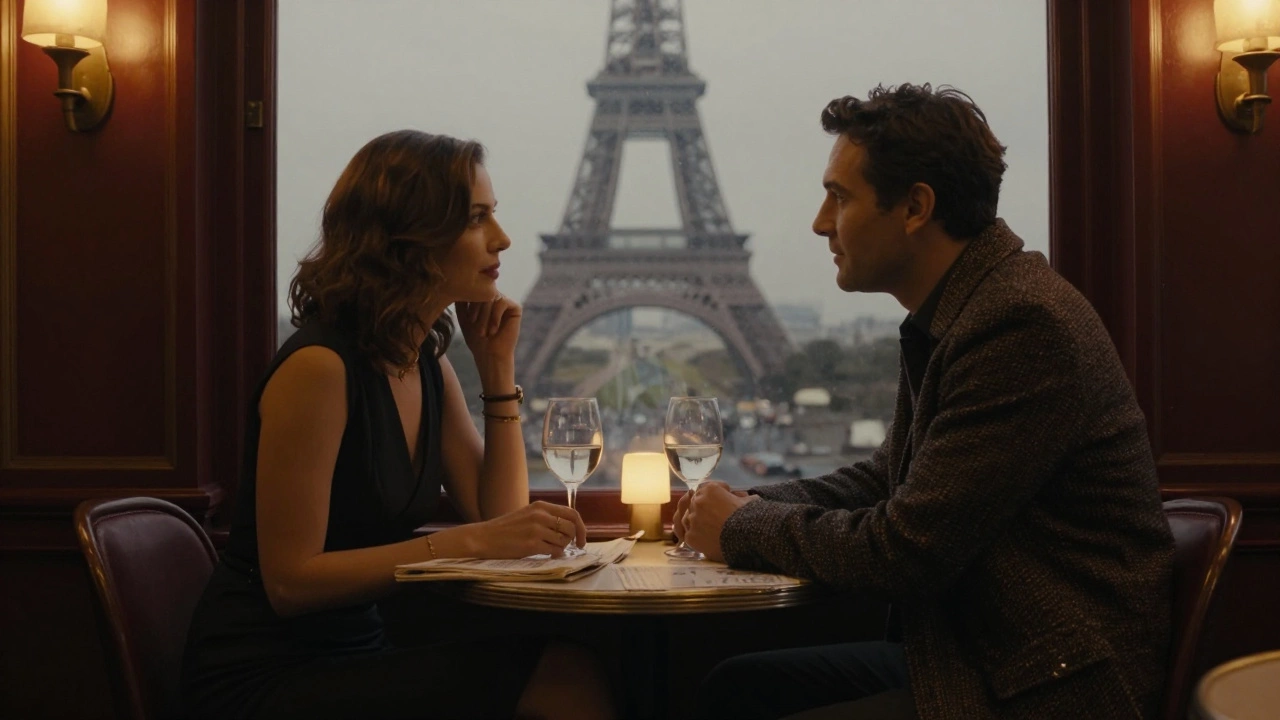
People talk about Paris like it’s a movie scene - candlelit dinners, cobblestone alleys, the Seine glittering at dusk. And somewhere in those stories, there’s always a whisper about escort girle paris. It’s not just about sex. It’s about connection, control, and the illusion of intimacy in a city where everyone’s playing a role. But what’s real? And what’s just the postcard version sold to tourists who think they’re buying magic?
The truth is, Paris has never been just about romance. It’s always been about performance. The city thrives on aesthetics - the way a woman walks in heels past a boulangerie, the way a man lights a cigarette with deliberate slowness. That same energy extends to the world of companionship. When someone searches for
Why Paris? Why Now?
Paris isn’t unique because it has escorts. It’s unique because it makes them part of the scenery. In London, you might hire someone discreetly through an app. In Tokyo, it’s about ritual and silence. In Paris, it’s woven into the culture like a scarf you forget you’re wearing. The city doesn’t hide it. It doesn’t shame it. It just lets it exist - quietly, elegantly, like a jazz note in the background of a café.
And it’s not just foreigners doing this. Locals use these services too. A divorced professor wanting company for dinner. A single mother needing someone to talk to after her kids go to bed. A businessman who’s spent ten years in corporate meetings and just wants to be listened to without a contract. These aren’t fantasies. These are real people. Real needs.
What You Won’t See in the Brochures
Most online listings show smiling women in designer dresses, posing in front of the Eiffel Tower. They look like they stepped out of a Chanel ad. But behind those photos? A lot of paperwork. Background checks. Health certificates. Rental agreements for apartments that aren’t their own. Many of these women work independently, not for agencies. They manage their own schedules, their own safety, their own finances.
One woman I spoke with - let’s call her Claire - works three days a week. She’s a former art student. She charges €200 an hour. She doesn’t do sex work. She does companionship. Dinner. Walks. Conversations about books. Sometimes, yes, sex. But only if it’s mutual, only if it’s clear, only if she says yes. She told me, “I don’t sell my body. I sell my presence.”
That’s the difference. The industry isn’t monolithic. There are high-end companions who treat clients like art collectors. There are others who need the money to pay rent. There are people who do it for a few months and then go back to school. There are those who’ve been doing it for ten years and have no plans to stop.
The Risks Nobody Talks About
It’s easy to romanticize. But the risks are real. Scammers pose as clients. Landlords kick out tenants when they find out. Police don’t always distinguish between consensual work and exploitation. And the stigma? It follows you. Even if you’re careful, even if you’re smart, even if you’re legally protected - society doesn’t care. You’re still labeled.
There’s also the emotional toll. You can’t turn off intimacy. You can’t shut down empathy. Many of these women form real bonds. They remember names. They notice when a client’s voice cracks. They remember birthdays. And then, after a few hours, they say goodbye. And the client goes back to his life. And she goes back to hers.
What Makes an Escort in Paris Different?
It’s not about the looks. It’s not about the price. It’s about language. French isn’t just spoken here - it’s performed. The way you say “bonjour” matters. The way you hold eye contact. The way you pause before answering. These aren’t small things. They’re signals. And the best companions in Paris know how to read them.
Many of them speak at least three languages. They’ve read Proust. They know which café in Saint-Germain still serves the same coffee as it did in the 1950s. They can tell you why the Louvre is empty on Tuesdays. They know how to order a bottle of wine without sounding like a tourist.
That’s the real value. It’s not sex. It’s cultural fluency. You’re paying for someone who can translate Paris for you - not just the sights, but the silence between them.

How to Find Someone - and Stay Safe
If you’re thinking about this, here’s what you need to know:
- Never pay in cash upfront. Use traceable methods - bank transfers, PayPal, or apps like Lemonway.
- Meet in public first. A hotel lobby. A café. A gallery opening. Never go straight to a private apartment.
- Ask for identification. Not just a photo. A real ID. A passport or French national card.
- Trust your gut. If something feels off, walk away. No excuse needed.
- Don’t assume all services are the same. Some offer only dinner. Some offer only conversation. Some offer nothing beyond a hug.
And if you’re looking for someone who’s vetted, experienced, and transparent - you’ll find them. But you have to look beyond the Instagram filters. You have to read reviews. You have to ask questions. You have to treat them like a person, not a product.
Is It Worth It?
Some people come back year after year. They say it’s the only place where they feel truly seen. Others go once and never speak of it again. Some regret it. Some say it changed their life.
But here’s what no one tells you: it doesn’t matter if you’re rich or poor, single or married, straight or queer. What matters is why you’re asking. Are you looking for connection? Or just a distraction? Are you trying to feel alive? Or just to escape?
Paris won’t answer that for you. But the people you meet there might.
And if you’re still wondering - yes, some of them are called