
The Minnesota Timberwolves didn’t just beat the Dallas Mavericks on Monday night — they dismantled them. A 120-96 rout at the Target Center in Minneapolis on November 17, 2025, wasn’t just another win. It was a statement. The Timberwolves, now 9-5, showed they’re not just contenders in the Western Conference — they’re building momentum. Meanwhile, the Mavericks, slumping to 4-11, look lost. And it wasn’t just the score. It was the way they lost: 71 rebounds to 53, 19 turnovers, 40% shooting. This wasn’t bad luck. It was a collapse.
A Night of Perfect Execution
From the opening tip, the Timberwolves moved like a machine. They dropped 34 points in the first quarter, then added 27, 37, and 22 in the next three. The third quarter was the killer — 37 points while holding Dallas to just 22. That’s when the game turned from a blowout into a clinic. Naz Reid, the Timberwolves’ center, had a career night: 22 points on 9-of-12 shooting, including a pair of putbacks that had the crowd roaring. "He’s been quiet the last few games," said one fan in the stands. "Tonight? He looked like he was playing for a new contract." Rudy Gobert, the defensive anchor, controlled the paint like a fortress. He didn’t need to score much — just blocked shots, set screens, and cleaned up rebounds. Jaden McDaniels hit key threes. Anthony Edwards, though quiet by his standards, made the smart plays — no hero ball, just efficiency. And it worked. The Timberwolves had six players score in double figures. No one player carried them. Everyone did.Dallas Had No Answers
The Mavericks were missing key rotation players — no official injuries were listed, but the team was described as "short-handed" across multiple reports. Julius Randle, their leading scorer, looked out of rhythm. He finished with 18 points but shot just 6-of-19, often forcing bad shots. The bench? Nonexistent. Dallas’ second unit managed only 24 points. Their defense? Nonexistent too. The Timberwolves shot 52% from the field and dished out 28 assists. They moved the ball like they’d practiced it for months. "They just outworked us," said one anonymous Mavericks assistant coach after the game. "We didn’t match their energy. We didn’t match their focus. We didn’t match their will. That’s on us." The numbers tell the story: 19 turnovers led to 27 Timberwolves points. 71 rebounds meant 18 second-chance points. Dallas shot 3-of-14 from three. Their leading scorer, Randle, was held to his lowest output of the season. And for a franchise that reached the NBA Finals just two years ago? That’s alarming.
Why This Matters
The Timberwolves aren’t just winning — they’re winning the right way. Five wins in six games. A defense that ranks top-5 in the league over the last month. A bench that’s finally contributing. This isn’t a fluke. It’s a formula: ball movement, rebounding dominance, and disciplined defense. Coach Chris Finch has them playing with purpose. And it’s starting to show in the standings. For Dallas, the alarm bells are ringing. They’re 6.5 games out of a playoff spot. Their offense is stagnant. Their defense is porous. And they’ve lost four of their last five. With Kristaps Porziņģis still working his way back from injury and Luka Dončić carrying an unsustainable load, the Mavericks are running out of time. This loss wasn’t just embarrassing — it was a warning.What’s Next?
Minnesota heads into a back-to-back against the Portland Trail Blazers, then hosts the Phoenix Suns — two teams they should beat. If they win both, they’ll be 11-5 and firmly in the top four of the West. Their next real test? A road game against the Denver Nuggets on December 1. Dallas? They face the Sacramento Kings on Wednesday — a team they should beat. But after this performance, you wonder if they can beat anyone without their full roster. The pressure is mounting on coach Jason Kidd. Fans are already calling for changes. The draft lottery odds are climbing. And the clock is ticking.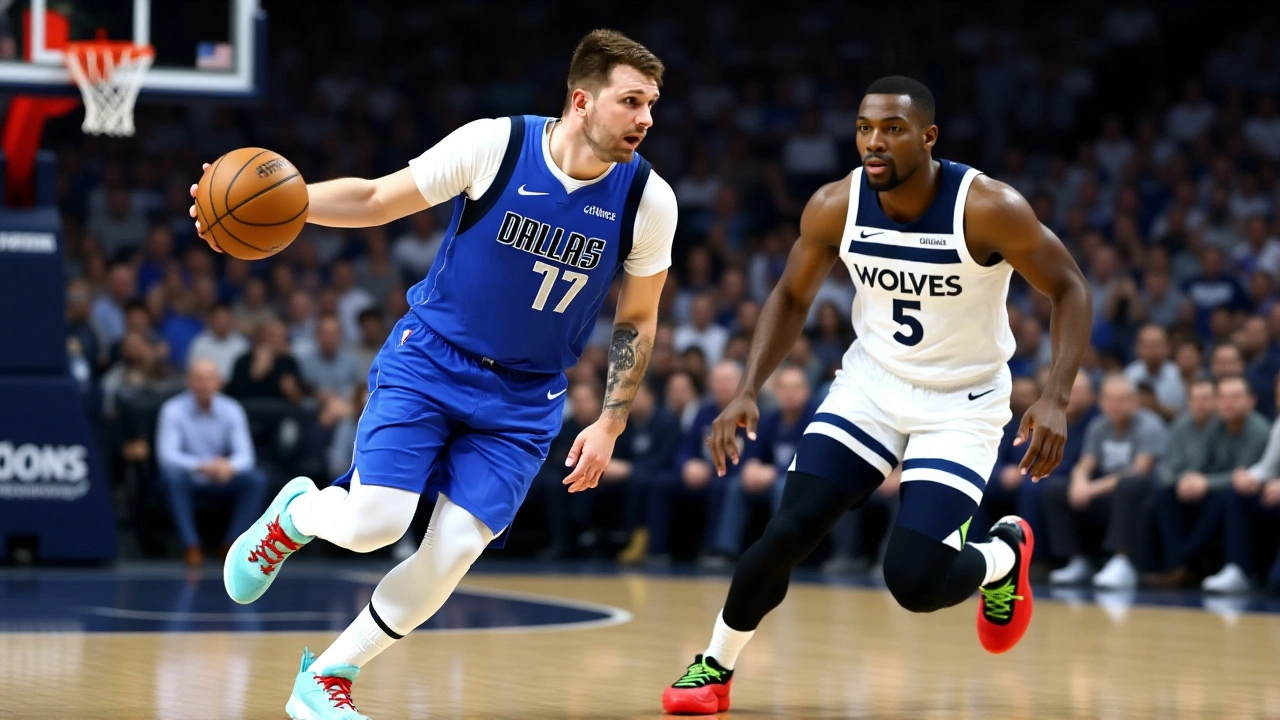
Behind the Stats: The Real Story
What made this game so lopsided wasn’t just talent — it was preparation. The Timberwolves’ coaching staff had studied Dallas’ tendencies for weeks. They knew Randle would try to force isolation plays. So they doubled him early. They knew Dallas’ guards struggled to close out on shooters. So they ran more off-ball screens. It worked. Every time. "We didn’t just prepare for their stars," said an assistant coach on the sideline. "We prepared for their weaknesses. And tonight, we exposed them." The Mavericks’ lack of depth was glaring. They had no one to match Minnesota’s size. No one to match their pace. No one to match their heart. And that’s the scariest part: this isn’t a one-off. It’s a pattern.Frequently Asked Questions
How did Naz Reid’s performance impact the Timberwolves’ win?
Naz Reid’s season-high 22 points, 10 rebounds, and 3 blocks were the spark the Timberwolves needed. His ability to score inside, finish through contact, and protect the rim freed up space for shooters like McDaniels and Edwards. He was the offensive engine in the third quarter, scoring 10 of his points in that decisive frame. His performance marked a turning point — proving he’s no longer just a backup, but a legitimate starter-caliber center.
Why is the Mavericks’ 4-11 record concerning for their season?
The Mavericks were expected to contend for a top-4 seed in the West. At 4-11, they’re on pace to finish with fewer than 35 wins — their worst record since 2019. With Luka Dončić carrying nearly 40% of their offensive load and no consistent secondary scorer, their ceiling is severely limited. If they don’t improve defensively or get healthy, they risk missing the playoffs entirely — something unthinkable just two seasons ago.
What does this win mean for the Timberwolves’ playoff chances?
With a 9-5 record and the league’s third-best net rating over the last 10 games, the Timberwolves are firmly in the top 5 of the Western Conference. Their defense ranks in the top 3, and their bench is now scoring over 40 points per game. If they maintain this pace, they’ll likely finish as a 2- or 3-seed. This win over Dallas wasn’t just a win — it was proof they can beat teams with stars, even without Edwards going off.
How did the Timberwolves dominate the boards so decisively?
Minnesota out-rebounded Dallas 71-53 by using disciplined positioning and relentless effort. Rudy Gobert alone grabbed 16 rebounds, while Reid added 10. But it wasn’t just the big men — McDaniels, Edwards, and even guard Malik Beasley grabbed 4+ each. Dallas, meanwhile, had only two players with more than 8 rebounds. Their lack of size and effort on the glass was a direct result of poor rotation and fatigue — two things the Timberwolves exploited with superior conditioning.
Was this game a sign of a larger trend in the Western Conference?
Absolutely. The West is becoming a battle of depth and defense. Teams like the Timberwolves, Nuggets, and Suns are winning by committee — not by one superstar. Meanwhile, teams like Dallas and Oklahoma City are struggling because they rely too heavily on one or two players. This game showed that in today’s NBA, balance beats brilliance. The Timberwolves are becoming the model.
What role did coaching play in this outcome?
Chris Finch’s game plan was flawless. He switched defenses on the fly, rotated players to keep energy high, and trusted his bench. Meanwhile, Jason Kidd stuck with his starters too long — Randle played 38 minutes and looked exhausted. Finch made adjustments after each quarter; Kidd didn’t. The difference in coaching was the difference between a 24-point win and a 24-point loss. This wasn’t just about players — it was about leadership.